Table Of Content

While anyone can be affected, this issue is common in women who wear braids, tight pony tales, or corn rows. Over time, traction alopecia can lead to permanent hair loss. Hair loss from any cause can be emotionally challenging.
Hair Loss in Women: Causes, Prevention, and Treatment

Try to find ways to manage stress, and strive for a well-balanced diet that includes plenty of fruits and vegetables. Researchers have also found vitamin and mineral deficiencies related to hair loss. Anemia (iron deficiency), a condition common among women, can contribute to hair loss. Furthermore, researchers have linked insufficient selenium, zinc, vitamin B12, riboflavin, and vitamin D to alopecia.
Birth control pills
See your dermatologist if you notice this type of hair loss. The sooner you start treatment, the better the chances for hair regrowth. When it comes to effluvium—rapid hair shedding due to physical or emotional stress—treatments focus on finding the underlying cause.
Other treatments
A person should contact a doctor for a blood test to check whether they have a nutritional deficiency that could be causing their hair to fall out. Extreme diets that are too low in protein or certain vitamins, such as iron, can sometimes cause excessive hair shedding. Certain medications have side effects that can cause hair to fall out. A hair transplant is usually not covered by insurance. The cost (often thousands of dollars) is prohibitive for most people. Yes, hair tends to regrow when you are no longer exposed to the poison.
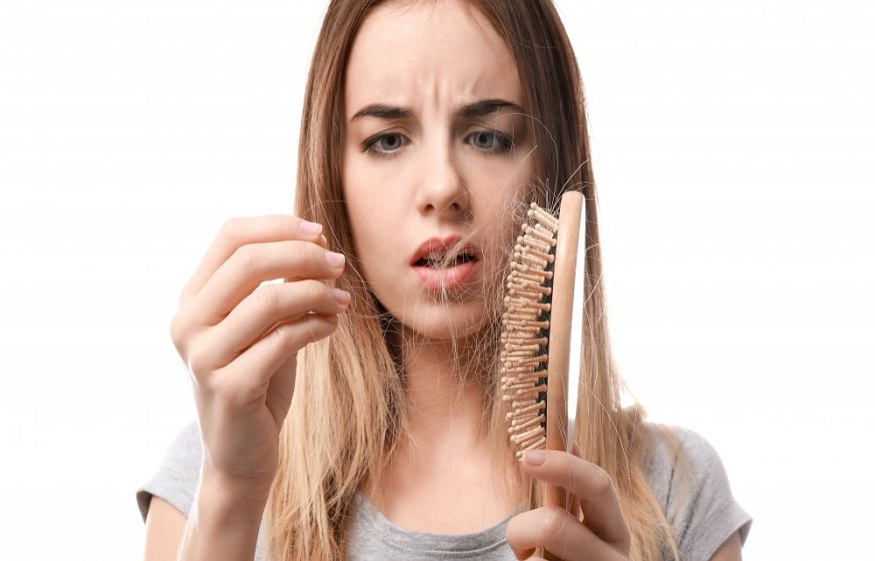
Common causes of hair loss
Medications and therapies can help your hair regrow, though severe cases may not respond to treatment. It's typical to lose some hair every day as part of your hair’s usual growth cycle. For most people, the lost hair grows back, and you maintain a full head of hair.
Traction alopecia is a type of hair loss that's brought on by the way you style your hair. Hairstyles like cornrows, braids, or tight ponytails can cause it. Some signs of traction alopecia include hair loss in patches where the hair was pulled and shorter strands of hair near the forehead.
What makes alopecia worse?
Tinea capitis, also called ringworm of the scalp, is a fungal infection that can affect the scalp and hair shaft. It causes small bald patches that are scaly and itchy. Over time, if not treated early, the size of the patch or patches will increase and fill with pus. In fact, there are many other reasons you might notice hair loss.
Women typically see hair loss related to hair products more often than men. If done improperly and with the wrong products, chemical hair curling, bleaching, relaxation treatments, coloring, or perming can cause hair loss. Other forms of birth control that affect the hormones, such as implants and skin patches, may also cause hair loss. Speak with a doctor about any troubling hair loss, shedding, or thinning you may be experiencing. Your doctor can help determine the cause of your symptoms and put together a treatment plan. Finasteride inhibits 5 alpha-reductase, blocking the conversion of testosterone to dihydrotestosterone (DHT), the androgen responsible for male pattern baldness.
Thyroid conditions
Should you see regrowth, you will need to keep using it every day. Sometimes to see regrowth, you need to make some changes. Your dermatologist can tell you whether your hair may start to grow again on its own. If your child is stressed or depressed, their doctor can recommend an experienced counselor. Alopecia areata is an autoimmune condition that causes hair to fall out in patches. Here are some of the potential causes of hair loss in teenagers.
You're unlikely to lose all of your hair with female pattern baldness. But without treatment, symptoms may get worse over time. Since there are many types of hair loss and many factors that can cause it, it’s important to understand who is at more risk. Certain health conditions raise your risk of both sudden hair loss (like telogen or anagen effluvium) and progressive hair loss (androgenetic alopecia). Female pattern baldness (androgenetic alopecia) is the most common cause of hair loss in women, but there are many other potential causes. Prescription medications, like finasteride (Propecia), may help prevent further androgenetic hair loss, especially for male pattern baldness.
In hair transplant surgery, pieces of scalp tissue with the hair attached are typically taken from one area of the scalp and moved to areas of baldness. Menopause can also lead to uncomfortable systemic symptoms such as night sweats, weight gain, and vaginal dryness, which may raise your overall stress levels. Alopecia means “hair loss.” There are many different types of alopecia, in addition to androgenetic alopecia. There are many other potential causes of hair loss in women. Treatment options for hair loss typically depend on the cause. They can also vary according to the pattern and location of hair loss.
Other vitamins and minerals may also play a role in hair loss. People can speak with a healthcare professional to determine whether they have a vitamin deficiency that may be causing hair loss. If a person has this condition, they should contact a doctor. A doctor may recommend corticosteroid injections to the scalp or prescribe other medication to help the hair grow back. If a doctor suspects a medication is causing hair loss, they may prescribe a lower dose or switch medications. Telogen effluvium is a condition in which the hair remains in the telogen phase of the cycle.
Female pattern baldness: Causes, treatment, and prevention - Medical News Today
Female pattern baldness: Causes, treatment, and prevention.
Posted: Fri, 14 Feb 2020 11:07:20 GMT [source]
But illness, hormonal changes, stress, aging and inherited conditions can interfere with your hair’s growth cycle. More hair falls out, but new strands don’t always grow back. During a hair transplant procedure, a dermatologist or cosmetic surgeon removes hair from a part of the head that has hair and transplants it to a bald spot. Each patch of hair has one to several hairs (micrografts and minigrafts).
Treatment for this condition depends on the cause but may include a topical solution of minoxidil (Rogaine). TE is typically reversible and often resolves 6–8 months after your body readjusts or the trigger is gone. You can sometimes identify TE by looking at the strand.
Here, dermatologists share what you need to know about alopecia, including possible causes, treatment options and what you can do to prevent more hair loss. In men, hair loss is often caused by reactions to the predominant male reproductive hormone, testosterone. Many factors affect these levels, with other diseases or conditions leading to different types of hair loss.




No comments:
Post a Comment